Sleep Science & Seasonal Bedding
Wool Comforters Through the Seasons: How Fill Weight Shapes Sleep Comfort
Wool is valued for its ability to absorb and release moisture, while a comforter’s fill weight influences its warmth, drape, and overall feel. Choosing well means looking beyond the season on the calendar: bedroom temperature, personal warmth preferences, and the way you use layers all matter.
Published November 22, 2026
A bed is a small climate system. Across its surface, warmth gathers, moisture moves, and air circulates—or fails to. The comforter sitting above the sleeper is one part of that system, and its fill weight can change how the whole arrangement feels. A lighter wool comforter may feel airy and easy to move beneath; a heavier one generally provides more insulation and a more substantial drape. Neither is automatically the better choice. The best fit depends on the conditions of the room and the person sleeping in it.
Wool has a distinctive role in this conversation. The fiber can take up and release moisture, and its structure can trap air. Those qualities influence comfort, but they do not make wool a thermostat or guarantee cool, uninterrupted sleep. A wool comforter can still feel too warm in a hot room, and a lighter one may not provide enough insulation during a cold spell. Understanding fill weight—and how it works alongside the rest of the bedding—makes seasonal choices more practical.
What fill weight tells you
Fill weight is the amount of filling used in a comforter, often expressed in ounces, grams, or weight per area. It is one useful clue to warmth and heft, but it is not a complete measure of performance. The fiber’s structure, how the filling is arranged, the cover fabric, construction, and the comforter’s dimensions also affect the way it feels.
With wool, the filling may be laid in batting or another organized layer rather than behaving like loose clusters of down. A higher fill weight typically means more wool in the comforter and can contribute to greater insulation and a heavier hand. Yet two comforters with similar weights may not feel identical if their construction, size, or cover differs. A tightly quilted design, for example, may sit differently on the body from a more relaxed construction.
Check how a manufacturer defines its figures before comparing models. Total fill weight is not directly comparable across different sizes: a king comforter naturally requires more material than a twin. Weight per square yard or per square meter can offer a more useful comparison, if provided. If the specification is unclear, ask whether the listed number refers to the filling alone, the whole comforter, or a particular size.
- Filling quantity: More fill often brings more insulation and a more substantial feel, though construction can change the result.
- Comforter size: Total weight rises with dimensions, so compare like sizes or look for a weight-per-area figure.
- Cover fabric: A breathable cover may feel different against the skin from a heavier or more tightly woven shell.
- Construction: Quilting and internal compartments affect how evenly the filling is distributed and how the comforter drapes.
- Care instructions: Wool products vary in how they can be cleaned and aired, so the label matters as much as the material name.
Why wool feels different from other fills
Wool fibers have a naturally complex, crimped structure. In a textile, that structure helps create spaces that can hold air, while the fiber can also absorb moisture vapor and release it as conditions change. These traits are part of why wool has long been used in bedding and clothing. They may help moderate the sensation of warmth and dampness, but they do not replace room ventilation, a suitable sleep setup, or personal comfort preferences.
People often use the word “breathable” as if it promises a specific temperature. In practice, comfort depends on more than one property. The room’s temperature and humidity, pajamas, sheets, mattress, and the sleeper’s own heat production all contribute. Wool’s moisture-handling capacity may be helpful to some sleepers, but it does not mean every wool comforter will feel cool in summer or warm enough in winter.
The fiber’s resilience can also shape the experience. Wool batting is designed to create a cushioned layer, and its structure may settle over time. The amount of loft and the feel of the finished comforter depend on manufacturing and use. A comforter that seems soft and lofty when new may change as the filling relaxes, which is one reason to read care and product information carefully instead of relying on broad claims about wool alone.
A lighter comforter for warmer conditions
A lighter wool comforter may suit a warm bedroom, a sleeper who tends to feel hot, or a household that prefers a less weighty cover. Its reduced fill can make it easier to fold back or shift during the night. In climates with warm summers, a lower-fill option may be used for much of the year, particularly when paired with a light sheet and a room that does not become excessively warm.
“Summer weight” is not a universal standard. One maker’s light option may feel quite different from another’s, and a bedroom in a coastal climate can be unlike one in a dry inland region even when the thermometer shows a similar number. Consider the room’s overnight temperature, whether windows can be opened safely, and whether heating or cooling runs while you sleep. Your own experience is essential evidence: if you regularly push heavy covers away, a lighter arrangement may be more comfortable.
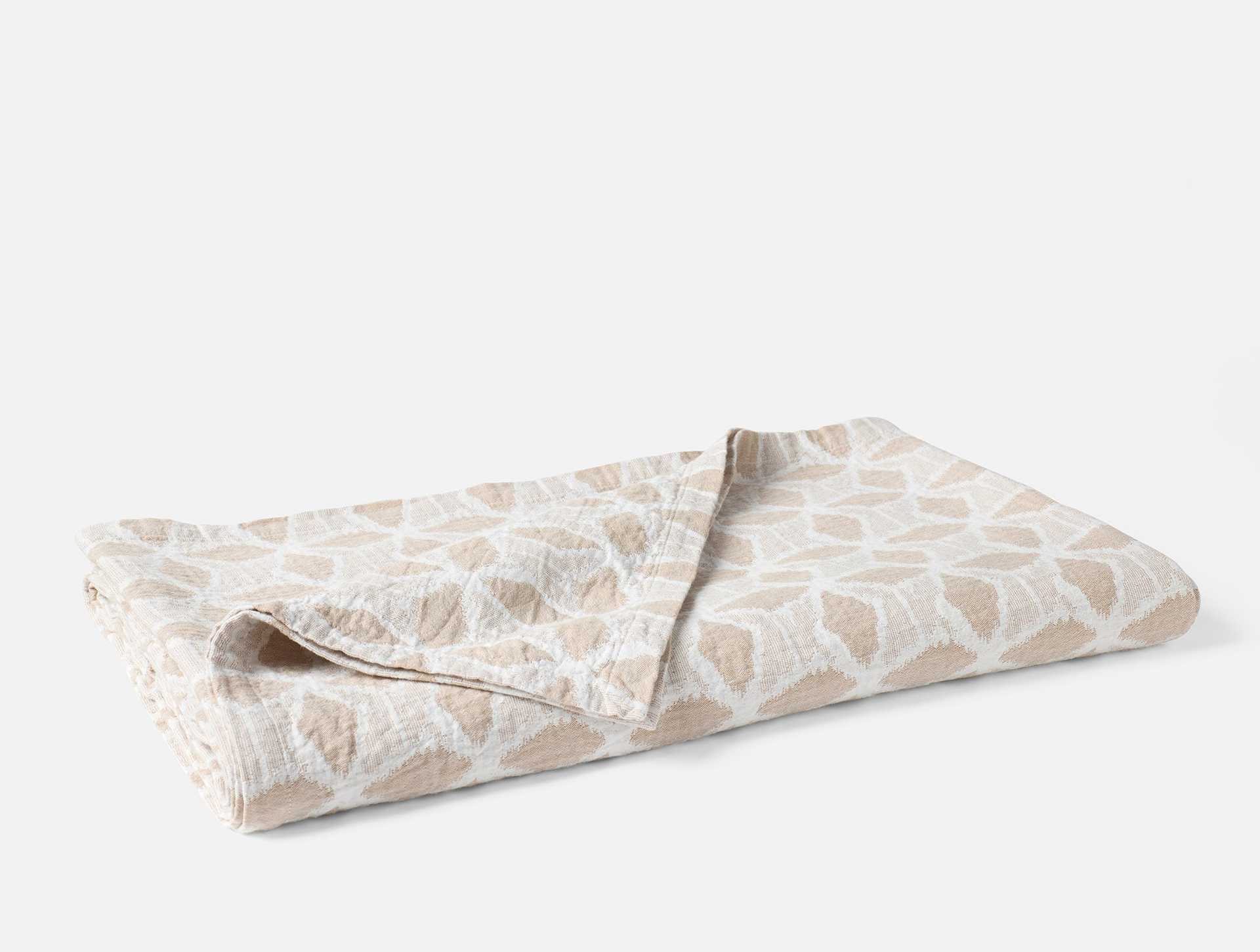
For especially warm nights, a comforter may not be necessary at all. A breathable sheet or light cover can be enough for some sleepers. A four-layer cotton voile bedcover, such as the Free New Bedcover, is described as lightweight and cool, offering a distinct option for nights when a wool comforter would be too much. The goal is not to keep a particular material on the bed year-round; it is to create a comfortable arrangement for the conditions you actually have.
A heavier comforter for colder rooms
In a cool bedroom, a heavier wool comforter may provide more insulation and a fuller, weightier drape. It can be useful for sleepers who feel cold at night or for homes where heating is kept low. The right amount is personal: one person may welcome the sense of enclosure, while another may find a substantial comforter restrictive or too warm.
It helps to distinguish room warmth from bed warmth. A well-heated room may not require a heavy comforter, even in midwinter. Conversely, a drafty bedroom can feel cold despite a mild outdoor forecast. Look at the indoor conditions where you sleep, not just the season or local weather report. If the temperature varies widely from one part of the night to another, layering can be more adaptable than relying on a single, very warm covering.
Weight is also a matter of movement and preference, not merely insulation. A heavier cover may settle closely over the bed, which some people find comforting. Others prefer the easy movement of a lighter layer. If possible, consider how the comforter’s weight feels while lying down and turning over, rather than judging it only by warmth.
Think in terms of a bedroom climate
Seasonal bedding choices are most useful when they begin with the room. Record the approximate overnight temperature for a week or two, especially if you wake hot or cold. Notice whether discomfort happens near bedtime or toward morning, whether it tracks changes in the weather, and whether it affects everyone sharing the bed in the same way. These observations can reveal whether the main issue is insulation, humidity, airflow, or a mismatch between sleepers.
A short checklist can help turn vague impressions into a clearer decision:
- Measure the room: A simple room thermometer can show whether nights are consistently warm, cool, or variable.
- Notice your pattern: Track whether you wake sweating, chilled, or comfortable, and whether you tend to remove or add covers.
- Consider the whole bed: Sheets, mattress protectors, pajamas, and the comforter all affect how heat and moisture feel.
- Account for the household: People sharing a bed may have different temperature preferences and may need separate layers.
- Change one thing at a time: Adjusting several layers at once makes it harder to learn what actually improved comfort.
Layering: flexibility without overcomplication
Layering can make seasonal bedding more adaptable. Instead of choosing one very heavy comforter to handle every cold night, a sleeper might use a moderate wool layer over a sheet and add or remove a lighter cover as needed. The arrangement can change with the weather, room heating, or personal preference, without requiring an entirely different bed setup each season.
Layers work best when each has a clear purpose. A sheet provides a washable surface next to the body. A light blanket can add a modest degree of warmth and be removed easily. A wool comforter can supply the main insulating layer. More layers are not always better: stacked bedding may trap too much warmth, feel cumbersome, or make it difficult to adjust during the night. Start simply and add only what solves a real comfort problem.
For two people with different temperature needs, separate lightweight blankets can be more practical than one shared, exceptionally heavy comforter. Each sleeper can adjust their own covering, reducing the familiar tug-of-war over warmth. Another option is a shared base layer with an additional blanket on only one side. Small changes to the arrangement can sometimes address the problem more effectively than replacing the comforter.
Choosing a fill weight for several seasons
If a comforter needs to work year-round, begin by identifying the conditions it must handle most often. A moderate fill may be a reasonable compromise for a stable, temperate bedroom. In a home with pronounced seasonal swings, one comforter may not provide the best experience in both July and January. A lighter option for warm months and a heavier one for cold months may offer greater comfort, although it requires storage space and an additional purchase.
There is no single “all-season” fill weight that suits every climate or sleeper. When a label uses that term, treat it as a general description rather than a guarantee. Ask for measurable details: the comforter’s size, fill weight, construction, cover material, and care requirements. Compare those specifications with your own sleep habits, not with a seasonal label alone.
People who are unsure may benefit from keeping their current bedding and making gradual changes. Try switching to a lighter sheet, removing an extra blanket, or adjusting the thermostat before replacing a comforter. These low-cost experiments can show whether the problem is the fill weight or another part of the sleep environment.
Caring for wool filling
Care can help preserve a comforter’s structure and usable life. Follow the maker’s instructions because wool bedding is not all washable in the same way. Some comforters may be spot-cleaned or aired, while others have specific professional-cleaning guidance. Repeated washing, high heat, or rough handling can affect wool fibers and the shape of the filling.
Using a removable duvet cover can protect the comforter from daily soil and reduce how often its inner layer needs attention. Airing bedding in a dry, well-ventilated place can help it feel refreshed between changes of cover, but avoid leaving it damp or exposing it to conditions the care label warns against. Store seasonal bedding clean and completely dry, in a breathable container where possible. Before packing it away, check for stains and follow the care directions so they do not become harder to address later.
Wool’s natural properties should not be mistaken for immunity to wear, spills, or allergens. A protective cover and routine care are still important. If a comforter develops a persistent odor, visible damage, or clumped areas, consult the manufacturer’s guidance rather than applying a harsh cleaner or an untested home remedy.
Sustainability and material claims
Some sleepers choose wool as part of a broader interest in natural fibers, but “natural” does not automatically answer questions about sourcing, processing, animal welfare, or environmental impact. Look for specific, verifiable information about fiber origin, processing, and any third-party standards. Certification can help clarify what a particular claim covers, but it is worth checking which part of the product is certified and what the certification verifies.
Durability is part of sustainability too. A comforter that suits the climate, can be maintained properly, and remains useful for many years may be a more considered choice than one selected on a vague promise of year-round performance. Buying only what is needed, using a protective cover, and storing bedding carefully can support a longer service life regardless of fiber type.
Common misconceptions about wool comforters
- “Wool is always cool.” Wool can manage moisture, but a heavily filled comforter can still feel too warm in a hot room.
- “More fill weight always means better comfort.” More filling may mean greater warmth and heft, but comfort depends on personal preference and the entire sleep setup.
- “One all-season comforter fits everyone.” Climate, room conditions, and individual heat preferences vary too widely for a universal solution.
- “A seasonal label is enough to compare options.” Terms such as light, winter, or all-season are not always standardized. Check the specifications.
- “Natural fibers need no special care.” Wool still requires appropriate cleaning, drying, and storage according to its care label.
A practical decision guide
Choose a lighter wool comforter if your room is usually warm, you often uncover yourself at night, or you prefer minimal weight. Consider a heavier fill if the bedroom stays cool, you commonly feel cold under lighter bedding, or you enjoy a more substantial drape. If temperatures shift substantially across the year, consider layering or maintaining separate warm- and cool-season arrangements.
Before deciding, compare like with like: similar comforter sizes, clear fill-weight figures, and comparable construction. Review the cover fabric and care instructions, and make sure the product’s dimensions suit your bed. Where specifications are incomplete, ask for clarification rather than assuming that a descriptive label tells the whole story.
Most important, treat sleep comfort as something you can observe and adjust. A comforter is one part of a system shaped by room temperature, airflow, humidity, clothing, sheets, and individual preference. Wool’s moisture-handling qualities and varied fill weights offer useful options, but the best choice is the one that works in the real bedroom, through the real night—not simply the one that sounds right for the season.
Frequently asked questions
Does a heavier wool comforter always sleep warmer?
A higher fill weight often provides more insulation and a heavier feel, but warmth also depends on construction, cover fabric, comforter size, and the room. A heavy comforter may feel too warm to one sleeper and comfortable to another.
Is wool bedding suitable for summer?
It can be, particularly when the comforter has a lighter fill and the bedroom is not excessively hot. However, wool does not guarantee a cool night. Some sleepers may prefer a sheet or lightweight cover in warm weather.
How can I compare wool fill weights?
Compare comforters of the same dimensions and look for the amount of wool filling or a weight-per-area specification. Also consider construction and cover material. Seasonal labels are useful context, but they should not replace measurable product details.
Can layering replace having separate seasonal comforters?
For many people, a flexible combination of sheets, a lighter blanket, and a moderate comforter can work across several seasons. In homes with very large temperature swings, separate warm- and cool-season options may be more comfortable.
How often should a wool comforter be washed?
Follow the care instructions for the specific comforter. Wool products vary, and frequent washing may not be appropriate. A removable duvet cover can reduce soil on the comforter itself and make routine care easier.