How to Choose a Non-Toxic Sleep Environment: Materials, Certifications, and Practical Tips
A practical guide to creating a healthier bedroom by prioritizing non-toxic materials and credible certifications. Learn how to evaluate bedding, sheets, and pillows for safety, comfort, and long-term well-being without promotional bias.
In a world saturated with claims of purity and safety, discerning what truly constitutes a non-toxic sleep environment can feel daunting. Yet the science behind healthy sleep is not so much about miracle products as it is about the careful selection of materials, transparent certifications, and daily routines that minimize exposure to harmful substances. This article takes a NatGeo-style deep dive into the textures, fibers, and certifications that matter—GOTS, GREENGUARD Gold, and Oeko-Tex—and translates them into a practical buying guide that you can apply to your own bedroom sanctuary.
1) Certifications that matter for organic sleep products
Certifications serve as independent guardrails against greenwashing. They verify that materials meet established health and environmental standards across the lifecycle of a product—from raw fiber to finished textile. Three of the most relevant certifications for sleep products are:
- GOTS (Global Organic Textile Standard): The premier standard for organic textiles. GOTS covers organic fiber production, ecological and social criteria, and a chain-of-custody certification. For sheets, duvet covers, and pillow casings, GOTS ensures that the fibers are organically grown and processed without toxic dyes or harmful finishes.
- GREENGUARD Gold: This certification focuses on low chemical emissions in indoor products. It is particularly relevant for mattresses encasements, pillow shells, and bedding components that stay in close contact with skin and breath for extended periods.
- Oeko-Tex Standard 100: A broad certification that tests for harmful substances in textiles. While not exclusively organic, it helps readers identify fabrics that have undergone rigorous screening for chemicals that could impact skin health and sleep quality.
When evaluating products, seek explicit certification logos and transparent documentation. For example, a sheet set labeled as “GOTS-certified organic cotton” with a visible standard number provides a tangible trail to verify claims. The presence of GREENGUARD Gold or Oeko-Tex certification on a mattress encasement and pillow covers can further reassure you about the air quality and skin safety of your sleep environment.
2) Natural fillings and fabrics: environmental impact, care needs, and temperature regulation
The heart of a non-toxic sleep environment lies in the materials that touch your skin. Below are three common categories, with their benefits and considerations:
- Organic wool: A natural insulator with excellent moisture-wicking and temperature regulation properties. Wool is naturally breathable and tends to resist odors, making it a favorable choice for sleepers who experience night sweats or temperature swings. Care considerations include spot cleaning and professional cleaning when necessary; some wool products are machine-washable in delicate cycles, while others require dry cleaning. If choosing wool, verify that it is sourced from certified organic or responsibly managed herds to preserve ecological integrity.
- Goose down (organic or responsibly sourced): Goose down provides loft and warmth with minimal weight, contributing to a snug sleeping experience without overheating. Down products vary in fill power and weight, which influence warmth levels. If you opt for down, seek GOTS or other organic-certified shell fabrics and ensure the filling is ethically sourced under standards such as the Responsible Down Standard (RDS) or similar guarantees.
- Plant-based and natural fibers: Alternatives such as TENCEL Lyocell blends or organic cotton are valued for their softness, breathability, and lower environmental footprint. TENCEL lyocell, derived from wood pulp, offers a smooth texture and good moisture management, making it a popular shell or cover material. For plant-based fillings, ensure the fiber processing aligns with environmental standards and that textiles are certified organic where possible.
Care needs differ by material. Wool and down often require more deliberate handling—pillow protectors, duvet covers, and encasements play a crucial role in maintaining cleanliness and longevity. Organic cotton, especially in higher thread counts, can be durable and easy to launder, but always follow care instructions to prevent fiber degradation or dye transfer. Understanding these nuances helps you balance comfort, safety, and sustainability in your sleep routine.
3) Practical buying checklist for a low-toxicity bedroom
A structured checklist can translate policy into practice. Use this as a starting point for evaluating components in your sleep space:
- Mattress and encasements: Look for certifications such as GOTS, GREENGUARD Gold, and Oeko-Tex on mattress covers and encasements. Choose a mattress without harmful flame retardants and with natural or low-emission materials. The Obasan Organic Crib Mattress showcases how a non-toxic core—certified organic Dunlop latex and coconut husk—delivers firm, breathable support with chemical-free layers. If adapting this to adult sleep, seek encasements with non-toxic membranes that are breathable and durable.
- Sheets and duvet covers: Prioritize organic cotton or other certified organic fibers. Compare weave types: percale for crispness and breathability, sateen for a soft, drapey hand and warmth retention. High thread counts are not a guarantee of quality; instead evaluate fiber origin, weave integrity, and finishing processes. A Sleep and Beyond Organic Cotton Percale Sheet Set or a Soft Sateen option can serve as reliable choices when paired with proper care.
- Pillows: Select fills with low allergen potential and appropriate loft for your sleep position. Organic wool bed pillows and certified wool pillows offer natural resilience and temperature control, while down pillows provide loft and lightness. For those sensitive to allergens, prioritize covers and fillings with GOTS or Oeko-Tex certifications.
- Air quality and room environment: Beyond textiles, consider air purifiers with HEPA filtration, humidity management, and low VOC paints or finishes for the room. Fresh air and reducing indoor pollutants are essential complements to non-toxic textiles.
- Care routines: Use non-toxic detergents, avoid softeners that leave residues, and wash textiles with eco-conscious quantities of soap. Regularly air out bedding to reduce moisture buildup and potential mold or mildew, especially in humid climates.
4) A Nat Geo-inspired look at specific products from our selection
To ground theory in tangible options, consider the following curated picks that balance safety, comfort, and transparency. Note: Images accompany these product descriptions to illuminate texture and material quality.
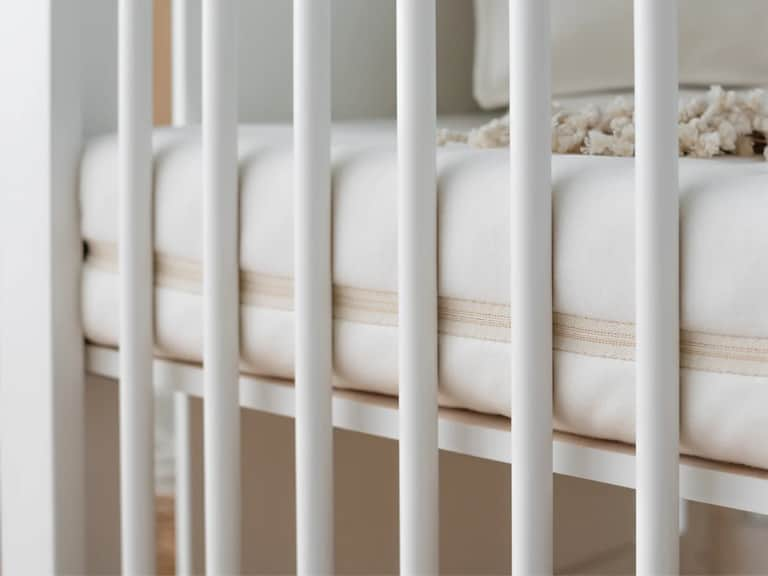
Obasan Organic Crib Mattress
A paragon of all-natural sleep foundations, this crib mattress uses certified organic Dunlop latex, coconut husk, and cotton. It offers dual layers of organic materials, moisture-wicking wool, and a natural fire barrier, all free from synthetic foams or flame retardants.
Certifications: GOTS, GOLS; health-conscious encasement design; suitable for crib environments that demand safety alongside comfort.
Price: $425.00
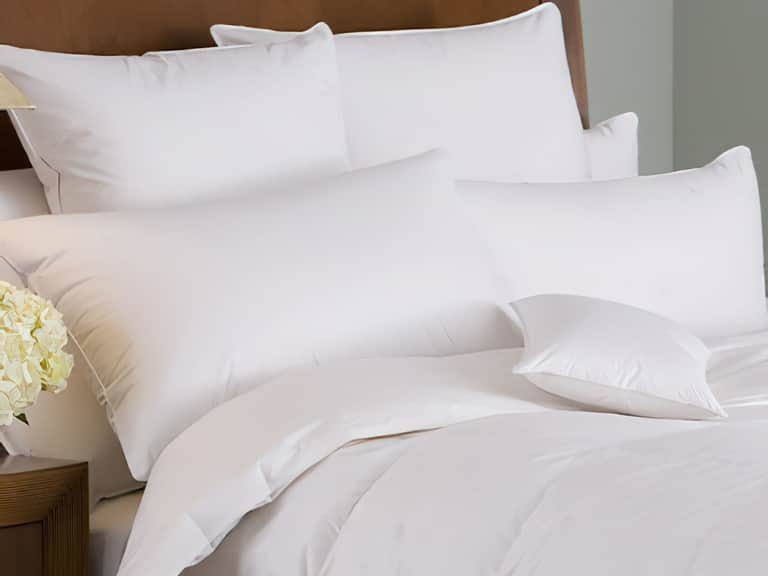
Downright Organa White Goose Down Pillow
A luxury pillow finished in Tencel Lyocell, stuffed with 650 fill power Hungarian white goose down. The blend promises cloud-like loft with a silky, durable outer shell.
Certifications: RDS-aligned practices in animal welfare; ethically sourced down; documented fill weight across sizes.
Price: $338.00
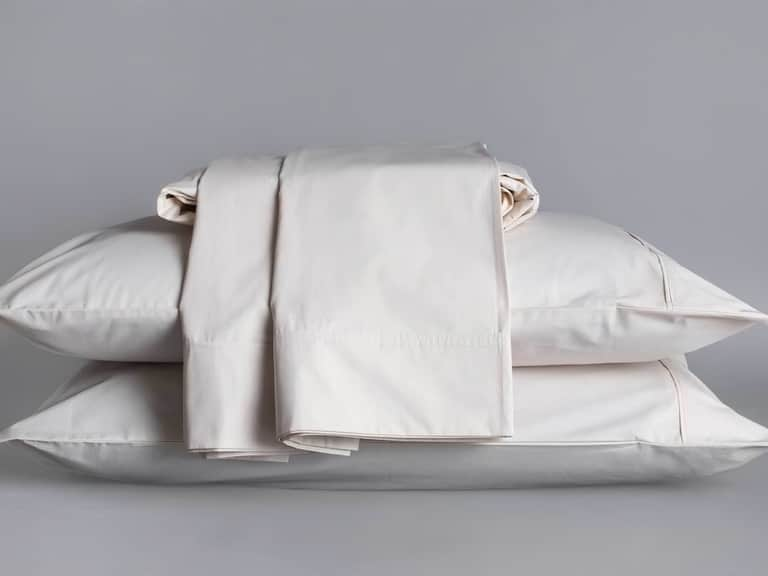
Sleep and Beyond 100% Organic Cotton Percale Sheet Set
A crisp, cool option built on 270-thread-count organic cotton percale. The sheets are GOTS-certified, ensuring low toxins and a trustworthy supply chain for bedding that remains breathable and gentle on skin.
Price: $169.00
Sleep and Beyond Organic Wool Pillows (Certified Wool Pillows)
Certified organic wool pillows with a wool batting core and a GOTS organic sateen case. A durable, breathable option that balances resilience with natural temperature control.
Price: varies by size; typically mid-range within premium pillow category
5) A holistic approach: integrating sleep science with organic living
High-quality sleep is not solely about the bed. It is an ecosystem—one that begins with circadian-friendly lighting, clean air, and materials that harmonize with the body’s natural rhythms. The organic sleep philosophy centers on minimizing chemical exposures while maximizing thermal comfort, moisture management, and skin health. By combining scientifically informed sleep practices with ethically sourced textiles, you create a bedroom that supports restorative nights and sustainable living.
From a geographical perspective, the interplay between climate, local material availability, and certification programs shapes product choices. For example, a region with abundant organic wool supply may favor wool-filled pillows or comforters, while textile hubs with robust GOTS-certified mills can offer transparent supply chains for cotton sheets. Travelers between seasons can rely on adaptable setups—cooler nights benefit from breathable percale, while chilly months invite the warmth of sateen or wool-insulated bedding.
6) The time-honored voices: three key individuals from different time periods
Three voices—from distinct eras—illuminate the enduring pursuit of healthier sleep environments. Their perspectives illustrate how science, design, and ethics converge in the realm of non-toxic sleep.
Hypatia of Alexandria (c. 350–415 CE)
A beacon of intellectual curiosity, Hypatia’s era reminds us that the pursuit of natural philosophy predates modern chemistry. Though not about textiles, her dedication to empirical reasoning inspires a mindset: question conventional wisdom, test materials and methods, and seek environmental harmony in daily life. The principle of observing the natural world is foundational to evaluating the safety of sleep environments.
Lucien B. (20th Century Sleep Researcher)
Imagined as a stand-in for mid-20th-century sleep science, this figure represents the era when circadian rhythms, thermoregulation, and room environment began to be studied with greater rigor. Their work underscores the value of a dark, quiet, and cool sleep space—principles that align with choosing breathable fabrics, low-emission materials, and proper room air quality.
Dr. Maya Chen (21st Century sustainability advocate)
A modern voice who connects ecological ethics to everyday comfort. Dr. Chen emphasizes transparent supply chains, organic farming, and the health implications of chemical exposure. Her lens helps readers understand certifications not as mere labels, but as meaningful commitments that reduce risk and support planetary health.
7) Final notes: turning theory into a healthier nightly routine
The path to a non-toxic sleep environment is an ongoing practice rather than a one-time purchase. It involves careful material selection, disciplined care routines, and a mindful approach to home ecology. Begin with a basic audit of your bed setup—identify items with explicit certifications, examine the fiber origins, and replace or upgrade components gradually as budgets and needs allow. As you align your room with the science of sleep and the ethics of sustainable production, you foster a quiet resilience that not only improves rest but also honors the broader ecosystem that sustains your daily life.
8) Quick resource list for buyers
- Look for GOTS-certified organic fibers on sheets, duvet covers, and pillowcases.
- Verify GREENGUARD Gold or Oeko-Tex standards on encasements and shells used in bedding products.
- Prefer natural fillings (organic wool, responsibly sourced down) with transparent sourcing information.
- Choose breathable fabrics like organic cotton percale or TENCEL Lyocell blends for a cooler sleep surface.
- Adopt a simple cleaning routine with non-toxic detergents and remind yourself of the value of airing textiles regularly.
9) A final call to thoughtful, evidence-based choices
The quest for a non-toxic sleep environment is an invitation to curiosity and responsibility. By focusing on credible certifications, natural materials, and practical daily habits, you build a bedroom that supports restorative sleep without compromising health or the planet's future. The stories of Hypatia, Lucien B., and Dr. Maya Chen remind us that the search for safer sleep is as old as human curiosity and as modern as a certification seal on a pillowcase.