Crib mattresses are specially designed foundations for infant sleep surfaces, prioritizing safety, support, and appropriate firmness. This category consolidates materials, constructions, and certifications that influence breathability, durability, and infant comfort. Understanding core features helps caregivers compare options for long-term usability and developmental sleep support.
Key characteristics to consider include material composition, edge support, and thickness. Organic crib mattresses emphasize chemical-free fabrics and latex-free cores, reducing exposure to potentially irritating substances. Breathable covers and moisture-wicking layers contribute to a cooler, drier sleep environment for infants and easy cleaning for caregivers.
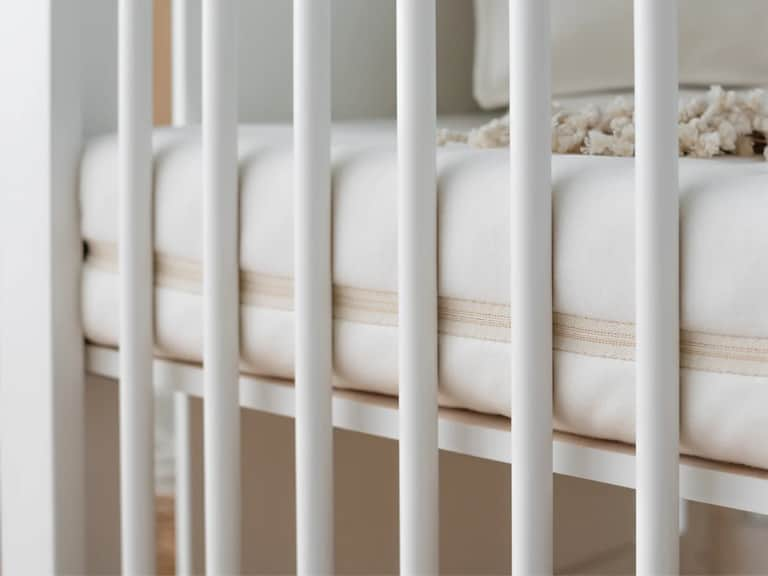
Among notable products, the Obasan Organic Crib Mattress demonstrates a focus on natural materials and safety standards. Its organic cotton covers, inert inners, and low VOC finishes aim to minimize off-gassing while maintaining structural integrity. Functional benefits include stable support for growing infants and compatibility with standard crib slat spacing.
Additional considerations encompass hypoallergenic properties, antimicrobial treatments, and water-resistant or removable covers. These features support hygiene and ease of maintenance, essential in early sleep environments. Recognizing these attributes helps families align a crib mattress with overall bedding compatibility, including organic sheets and breathable pillows for infants.
In summary, crib mattresses integrate safety compliance, material purity, and practical usability to support healthy infant sleep. Evaluating firmness, breathability, and cleanability—alongside certifications and product names like Obasan Organic Crib Mattress—guides informed decisions about compatible bedding such as organic sheets, duvet covers, and related items in the broader bedding category.
 Nursery